

In the world of Instagram culture, consumers are wanting Intstagrammable dishes that are bursting with colour. The vivid violets, bright reds, millennial pinks and deep greens that we see in common everyday foods are far more than just “a rainbow” of colourful visual stimulation.
One study from the US suggests that a consumer who wants to lose weight should stock their fridge with the seven colours of the rainbow. The spectrum of colours all provides unique nutritional benefits. This emphasis that consumers should be consuming a wide variety of colour in their diet.
Glorious Greens
In the last twelve months “green is the new black”. In restaurant menus, we are seeing new breeds of kale, courgette, spinach and seaweed in a bid to boost crucial nutrient consumption for health, energy, production, detoxification, rejuvenation and longevity.
These types of foods will be high in antioxidants especially lutein which helps to protect the eyes. In addition, they are high in Vitamin A and K which are vitally important in building bone density.
This category of vegetables are known as “low calorie, high nutrient” foods created the ultimate weight loss foods especially when eaten raw.


Mellow Yellow
The success of sweet potato formats has caused a rise in the consumption of yellow vegetables. Yellow based foods are super rich in polyphenol antioxidants which helps regular the formation of nitric oxide. Studies have shown that enough production of nitric oxide prevents heart attacks and ensures good blood circulation and blood flow.
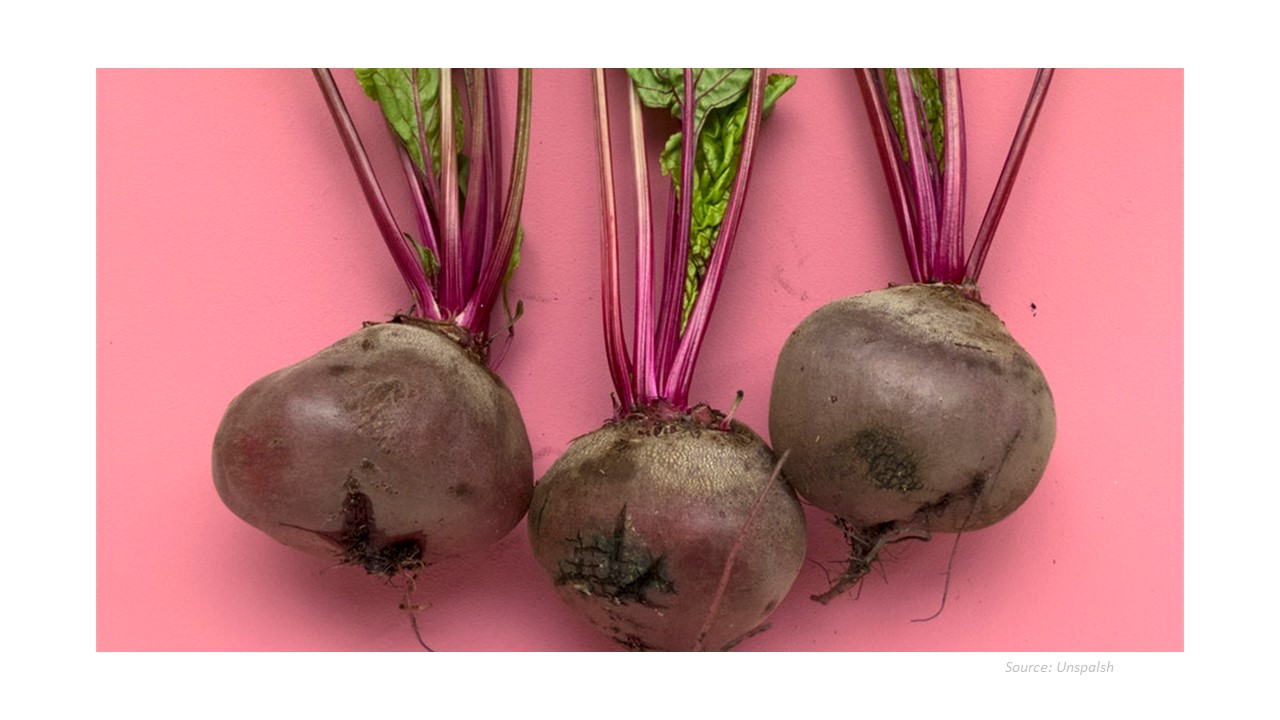
Powerful Purple
Purple foods contain a powerful number of antioxidants. One of the main obstacles with eating purple food is their seasonality. We suggest that if buying seasonal purple food freeze them in order to be used every month of the year.
Monochrome Colour
It is noted that a vibrant colour certainly isn’t an exclusive indicator of phytochemical content. Colourless foods such as mushrooms, onion and cabbage contain multiple benefits.
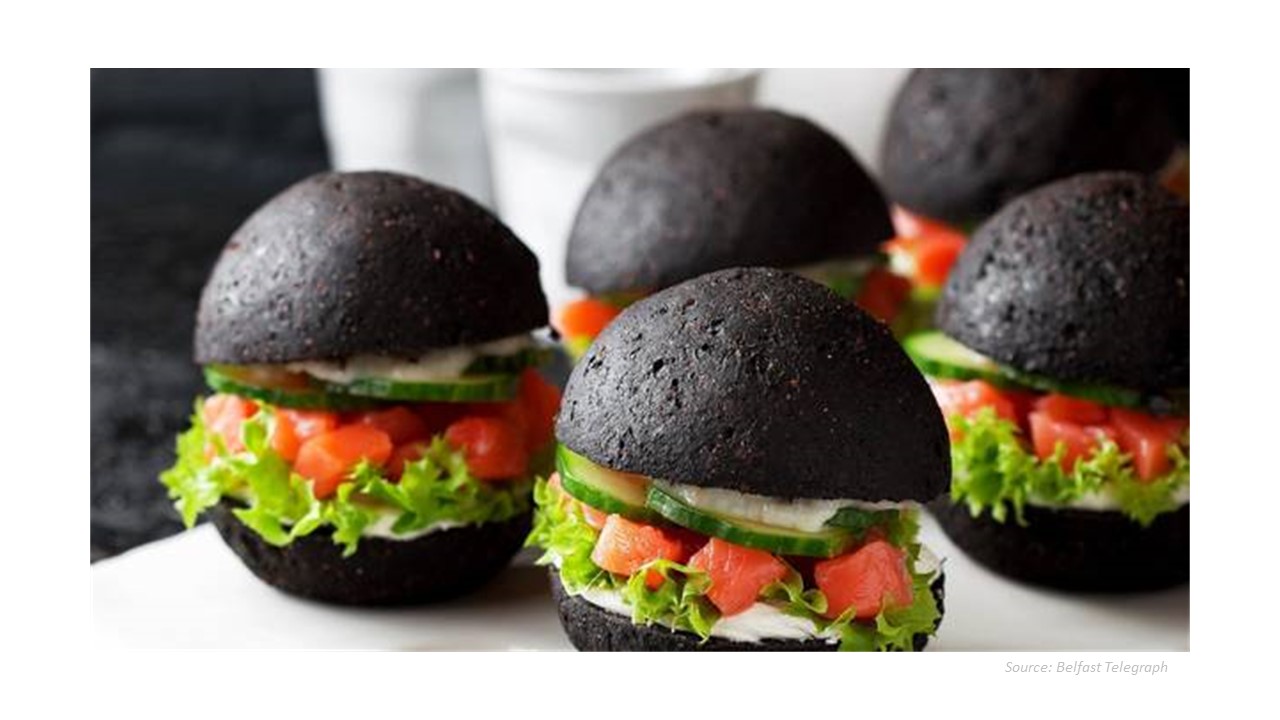
In contrast, we are seeing a rise in activated charcoal-based foods. This ingredient provides a slightly smoky taste and a dark colouring giving it a rather premium feel and creating a strong talking point. There have been multiple studies regarding “detox” properties with the ingredient but none are conclusive. However, the NHS recommends the ingredients as a treatment for flatulence.
There are over 4,000 different plant chemicals in foods that present us with a spectrum of colours to create a truly healthy and balanced “rainbow diet” of whole foods. What is now known regarding the colour diet is far more than the Instagram worthy diet but a range of health benefits for the consumer. In order, to receive the best nutritional value, nutritionists say that the ingredients must be as unprocessed as possible and if possible eaten raw.
At GCL, we are mastering the art of colour in food. Please see our gallery or our Instagram page for examples and get in touch for your samples.
