


Exploring food trends isn’t just about staying hip with the latest innovations; it’s a crucial aspect of understanding our ever-evolving relationship with food. Here’s why keeping an eye on food trends matters:
- Consumer Preferences: Food trends often reflect changing consumer preferences, dietary habits, and cultural influences.
- Innovation and Creativity: Trends inspire innovation in the culinary world.
- Health and Wellness: Many trends center around healthier eating habits, promoting well-being and mindful consumption.
- Environmental Impact: Food trends often highlight sustainability practices, fostering awareness about eco-friendly choices and their impact on the planet.
- Business Strategy: For food businesses, staying updated on trends is essential for strategic planning. It helps in developing menus, marketing campaigns, and business models that resonate with the current market, leading to growth and success.
An increased awareness of health, including concerns over the
impact of caffeine on sleep and mood is causing the caffeine
reduction trend, and thus, consumers are cutting down their
caffeine intake. This results in 39% of coffee drinkers actively
trying to reduce their caffeine intake, causing the coffee and
coffee shop industry to face new challenges
Drinking less coffee or even eliminating caffeine entirely can help reduce anxiety, improve sleep quality, and reduce headaches, among several other benefits. Caffeine comes with a burst of energy, which is what most of us use it for. However, that energy also stimulates our “fight or flight” hormones. This may cause an increase in anxiety, nervousness, heart palpitations, and even panic attacks.
If you’re looking for a coffee alternative, there are many options to choose from. Some of the healthier substitutes for coffee include caffeinated teas such as green tea, black tea, oolong, and matcha. These teas can provide an energizing effect similar to coffee. If you’re looking for a coffee-like tasting beverage, you can try substitutes like chicory root or mushroom coffee.

Italian Food Trends 2024
Italian cuisine continues to captivate global palates with its timeless flavors while embracing new culinary trends that reflect modern tastes and sustainability. Here’s a glimpse into the evolving Italian food trends this year:
- Regional Revival: Embracing the diversity of Italy’s culinary heritage, there’s a resurgence of interest in regional specialties. From Sicilian street food to the rustic dishes of Piedmont, Italian restaurants are celebrating the unique flavors and traditions of specific regions, offering a deeper exploration of Italy’s gastronomic landscape.
- Plant-Based Italian Fare: Reflecting the global shift towards sustainable eating, Italian cuisine is making room for more plant-based options. Expect to see creative twists on classic dishes, such as vegan carbonara with inventive plant-based “eggs” or plant-powered versions of traditional cheeses, paving the way for eco-conscious dining without compromising on taste.
- Fusion Innovations: Italian cuisine is embracing fusion concepts, blending traditional Italian techniques and flavors with ingredients and influences from other global cuisines. Think pasta dishes with Asian-inspired sauces or Italian-style pizzas featuring Middle Eastern spices and toppings, offering a delightful fusion of flavors.
“People are eating more Italian at home – pasta and pizza – because they’re really simple, delicious, affordable meals to make in the cost of living crisis. But then there’s also the more foodie side – made popular by celebrity cooks Stanley Tucci and Jamie Oliver, which focuses more on rustic, regional
ingredients such as porchetta (central Italy) and orecchiette (Puglia) and trofie pastas (Liguria).” – Partner & innovation manager Lizzie Haywood.

CONCIOUS CHOICES & SUSTAINABILITY
“The 2030 Agenda for Sustainable Development is a historic global agreement to eradicate extreme poverty, fight inequality and injustice and leave no one behind. Agreed by world leaders at the UN in 2015” (gov.co.uk) These targets are starting to translate in to clear legislation for the UK food industry.
GCL Sustainability Initiatives
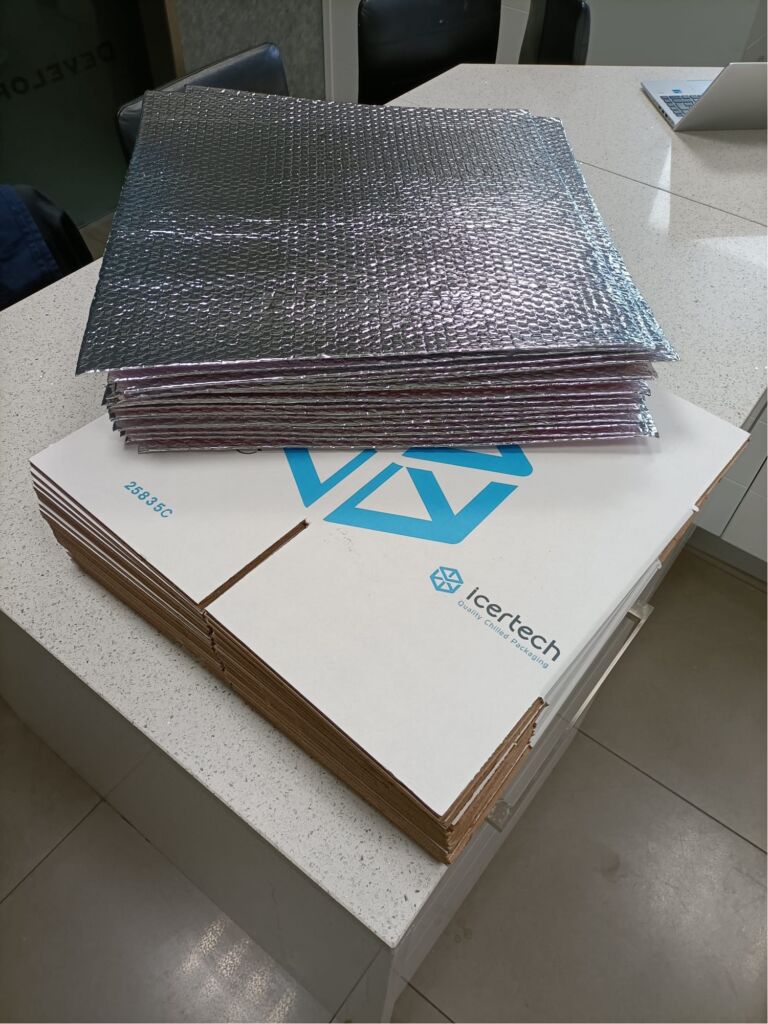
Here at GCL HQ we’ve been implementing our own sustainability initiatives in an effort to combat waste and inefficiency.. including but not limited to; paper/ cardboard/ plastic recycling from both our office and factory facilities. Glass is also separated, cleaned and recycled. Food waste is collected and redistributed to a local food waste charity. Used cooking oil is collected and recycled and we’ve implemented new packaging formats internally and with some of our customers.
- Our NPD team has been working on an internal project to switch our NPD sample packaging from insulated poly boxes to more sustainable recycled packing materials. We continue to look at ways we can improve.
- The Real Junk Food is a Sheffield based charity we’ve been working
with for a couple of years. They collect our surplus/ waste stock and then redistribute it in food parcels to the homeless and under privileged. - Our frying line allows us to coat and deep fry. As you can imagine, frying
on an industrial scale generates large amounts of waste cooking oil. We work with a cooking oil recycling company who collect our waste oil and convert it to bio fuels.
Recent NPD In GCL
CROQUETAS
In line with industry trends towards small plates, tapas and party food we have been working on a range of indulgent croquetas flavours.

SALT COD FITTER
Recently we developed a salt cod fritter for a Spanish tapas style concept. The focus was authenticity and quality ingredients.

DOLCE ARANCINI
Arancini (stuffed risotto balls) are a staple of Italian cusine, typically enjoyed in savoury flavour profiles, we’ve been experimenting with some innovative & indulgent sweet flavour profiles for after dinner.

If you are already a customer please get in contact with your account manager for our full Spring / Summer 2024 trend document otherwise please reach out to us by submitting a quick enquiry form on our contact page.
