

Meat
Chicken
If Brexit was to face a No Deal, the EU could cost the UK poultry sector up £200 million in lost export revenue in just months.
In 2017, the UK exported 370,000 tonnes of poultry meat to the EU representing 75% of the sector’s total export trade. Most of these exports were made up of lower value dark meats such as legs, thighs and wings, as well as feet, heads and offal. This is key to maintaining sector carcase balance.
UK processors would need to add more cost into the white meat they sold in the UK, leading to potential price hikes of as much as 25%.


Beef
UK beef production in January 2019 totalled 80,000 tonnes, 1% lower than the same month last year. Lower adult cattle amounts drove the decline, as prime slaughtering was similar to last year and heavier carcase weights were recorded. This pattern was in line with the expectation of the latest ADHB forecast (Agriculture and Horticulture Department Board).
Prime cattle dressed carcase weights averaged 354kg in January, 24kg above January last year. Dressed carcase weights among prime cattle have been rising since October last year and are currently at the highest level since April 2016 (Beef and Lamb ADHB, February 2019).
Lamb
UK clean shop slaughtering for January were reported at 1,035,000 head, a 7% (-77,200 head) drop year-on-year according to the latest data from DEFRA. This is in line with the 10% decline anticipated across Q1 in the latest sheep forecast from ADHB. The lower level of slaughtering seen this season is an ongoing result of the smaller total lamb crop last year.
Since November 2018, the GB average live weight lamb price is below year-earlier levels. Compared to year-earlier levels the quote is 4.21p lower and now just 7.45p higher than the five-year average, a significant narrowing compared to last year.
Lambs are being slaughtered overweight which is affecting pricing. Further reports suggest that sales are somewhat slow.
Ewe and ram slaughtering are showing the opposite movement with slaughtering increasing by 9% (+11,700 head) year on year stand at 142,300 head – this is aligned with the AHDB forecast. However, the heavier average carcase weights during January were not enough to compensate for the drop-in animals coming forwards. As such, overall sheep meat production was down by 3% (680 tonnes) year – on – year at 24, 000 tonnes.

Pork
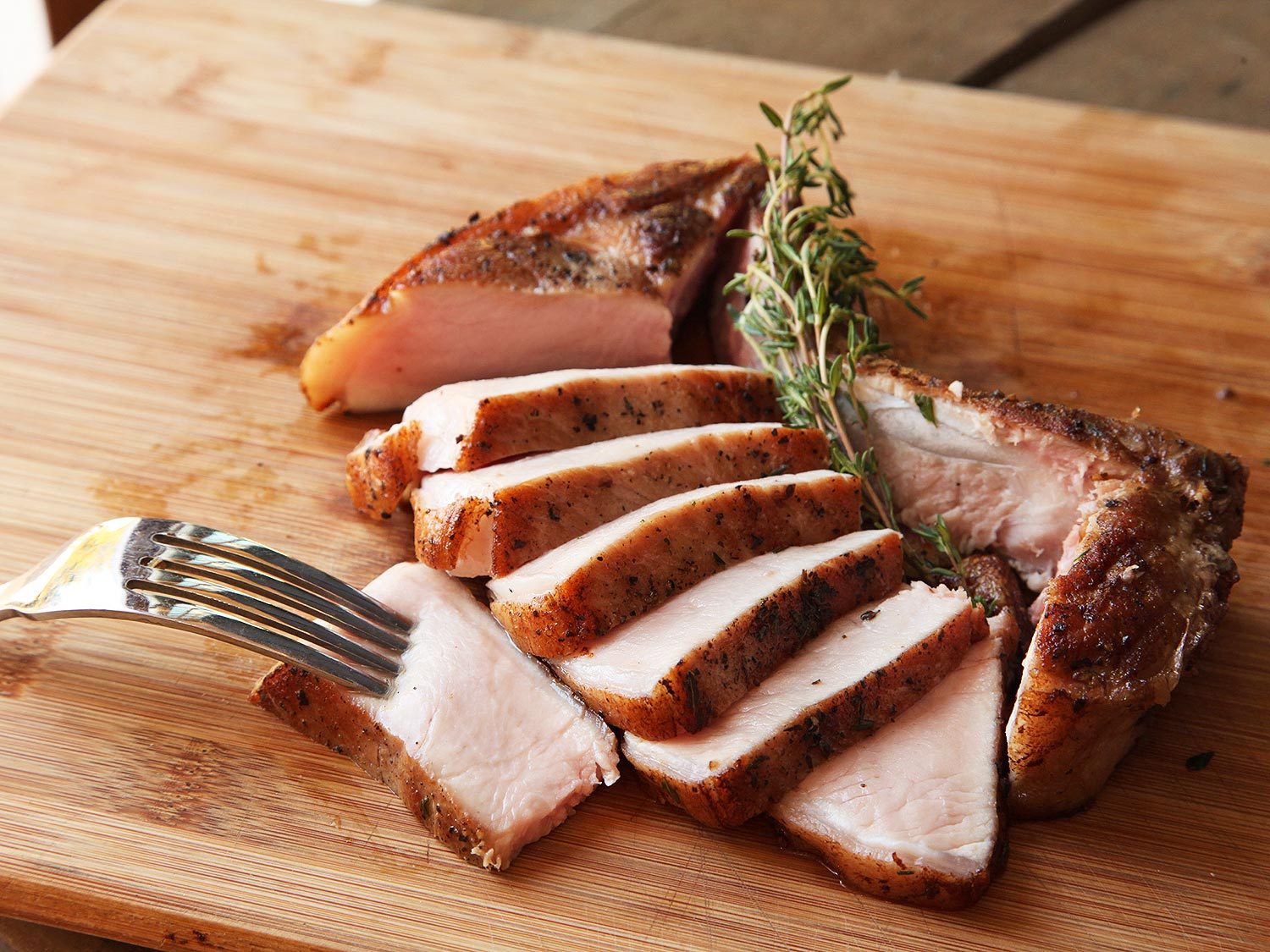
GB pig prices continued a downward track in the run-up to Christmas. Prices have continued to fall in subsequent weeks with an APP standing at 143.64p / per kg. This is around 3p below the pre-Christmas level and over 7p less than the same week last year. Subdued consumer demand post-Christmas, low EU prices and plentiful supplies in farms have been suppressing quotes.
Having high SPP throughout December, carcase weights started 2019 at record levels, with the average for the SPP sample tapping 84kg for the first time in week 19th January. This has compounded the increased slaughtering levels, contributing to the higher suppliers and lower prices.
Wine
Wine prices are set to surge as UK suppliers warn they face “dire” cost hikes thanks to a shortage of glass bottles. Manufacturers are struggling to find suitable glass bottle suppliers as they move into a different market.
As premium spirits are more profitable than wine, suppliers are now moving wine down their manufacturing priority list.
Wine suppliers now have little choice but to raise their prices.
In addition, new wine duty levels from the 2018 budget have kicked in this month with a significant portion of the tax being passed through the end consumer.

Cheese
Italian dairy sheep farmers on the island of Sardinia have been dumping milk to protest a recent fall in prices. Farmers are demanding an increase in the price for their milk.
Price increases in Grana Padano and Parmigiano Reggiano compared to January are estimated at 0.5% ( Cial, 2019).
Pecorino price per kg has remained the same, however farmers are demanding that milk prices increase to give them a greater and fairer lifestyle.

If there are any questions, please speak to your account manager.
