

The foodservice market is worth £74 billion with a 4% growth from 2017. However, the number of visitors has declined in 2018 as consumers become increasingly money conscious resulting in a 3% decrease from May 2017. The increase in market value has come from inflation and high usage of third – party delivery apps.
So what are the key influences, pressures and trends driving the foodservice sector?
Consumer Usage
Saturdays are the most popular day for consumers to visit a restaurant. However, takeaway formats are increasingly popular throughout the week, especially on Fridays.
The main reason for low usage Monday to Thursday is that they prefer to cook themselves. Consumers are wanting to explore their culinary skills yet also produce restaurant standard food. This is seen with a demand for restaurant branded meals such as meal kits from Yo Sushi or recipe box deliveries such as Leon and Hello Fresh. The restaurant environment is no longer your traditional kitchen, tables and waiters but modernising to cope with the money rich but time poor consumers such as Zizzi having a stand within Sainsbury’s or Bella Italia and Las Iguanas offering ready meals.

Money Concerns
As consumers start to question the value of money of a meal, restaurants are now combatting the issue through heavy use of vouchers and meal deals. However, 39% say that they are bored of the same deals. In addition, 56% of consumers would like to see more affordable customised dishes but this is not the answer to everything.
Brands also need to show that they care about their customers by responding with menu choices that cater to healthy lifestyles. The eating out sector is also dependent on the financial success of consumers who have extra money to spend on eating out. Eating out for lunch or dinner is a privilege and enjoyed by those who say that their financial situation is “stable”. The eating out market is shaped by consumers’ demand for a greater work-life balance.
One way to boost customer usage is through celebratory or social experiences as consumers will now prioritise sharing experiences over the food itself.

Key Pressures within the Foodservice Sector
Health
The foodservice sector is now facing pressure from the Public Health of England to align meals to the 400:600:600 ratio ( for more information please find here). However, the consumer must not lose out on flavour and experience.
68% of consumers would like to see healthier dishes with reduced sugar, salt and fat when dining out.
Calorie labelling on menus would encourage 53% of diners to choose low- calories dishes, however, 70% say that restaurants should serve a balance of carbohydrates, fats and protein.
Jamie’s Italian takes this a step further and gives the consumer full nutritional information on their website which appeals to 47% of diners. How do we tailor this to make it menu friendly?

Sustainability
Operators must apply waste management to their production chain to avoid sending waste to landfill. Consumers are taking a keen interest in shopping behaviours and the reasoning behind their preferences.
Provenance, heritage and traceability are becoming increasingly forefront. This has created a demand for companies to be eco-innovative, meaning that all forms of innovation activities must result in, or aim to significantly improve environmental protection.

Key Trends within the Foodservice Sector
Consumers feel that their needs and desires are being ignored. Technology shifts in society and cultural values empower them to drive change.
World Respect
Consumers are continuing to monitor the effects of global warming and climate change and are now willing to pay more for products that can demonstrate nurturing values.
Biodiversity Defence
The food industry should not be one size fits all and consumers now demand to start eating rarer breeds of meat to ensure rearing and eliminate the threat of extinction.

Plant Pushers
Plant-based food sales rose 20% year -on – year, reaching $33.3 million dollars. This has remained trendy due to the mix of health, environment, ethics and scientific credentials.

Tradition Returns
Consumers seek comfort in tradition. This isn’t about adding to the hipster lifestyle but rather a love for things done well.

Flamboyance
Our insta-culture continues to drive super creativity and we will now show attention-grabbing and flamboyant expression of food. The food that we consume must help us to bond and increase our sense of belonging.
Posh Nosh Ordinaire
We up the ante and transform the daily to traditionally high-quality food. Consumers want to recreate nostalgic food stores from the past.

Plated Beauty
#foodporn images are currency in which Gen Z barter with. Zizzi has recently found that 30% of 18 – 35-year-olds will say no to a restaurant if Instagram presence is poor.

No Boundaries
Restaurants are now foodie theatres meaning that we are blurring the line between science and food to create dramatic experiences.

Kind To Me
Consumers are now fully aware of the link between food and health as well as technological advancements. Consumers now want it all – health, sensory and the emotional reward.
Health at Double Speed
The term fast food is moving away from negative connotations. We now face “fast healthy”. Organic, better quality food is now.

Smashing Pumpkins
Move over avocado on toast – all vegetables are now being used including pumpkin, parsnip and the occasional aubergine.

Facts Fight Back
We are still not 100% on the science of nutrition. This is seen with New York City banning the use of activated charcoal.

Freedom to Fear
We take joy in how much technology is advancing and how convenient it has made our lives. However, food origin is now coming under heightened scrutiny as consumers learn about company practices.
Traceability
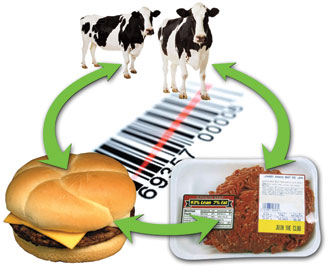
We want upfront information about what we eat. Technology is aiding this on the use of QR codes that can be scanned revealing where the animal has actually been sourced.
Where to Trust
Consumers want to buy into brands with lifetime values that mirror their own. For trust improvements, brands must know what consumers are saying and their priorities to tell a meaningful story.

Tech-Enabled Eating
We are now able to order food through voice-activated speakers, mobile phones and via social media. This has been driven through its hyper convenience and “because we can” movement.

At GCL, we closely monitor the latest food trends and deliver you a bespoke service that offers a variety of premium quality food ingredients. It is our duty to be engaging, creative and responsive to stay ahead of our competitors.
